
Every Nigerian with dollar income or dollar expenses eventually hits this crossroads: dollar card vs dom account, and which one actually makes sense for how you live. The domiciliary account used to be the default, open one at your bank, fund it, wait for clearance, then wait again every time you want to move money in or out. It works, technically. But "technically works" and "actually convenient" are two very different things in 2026.
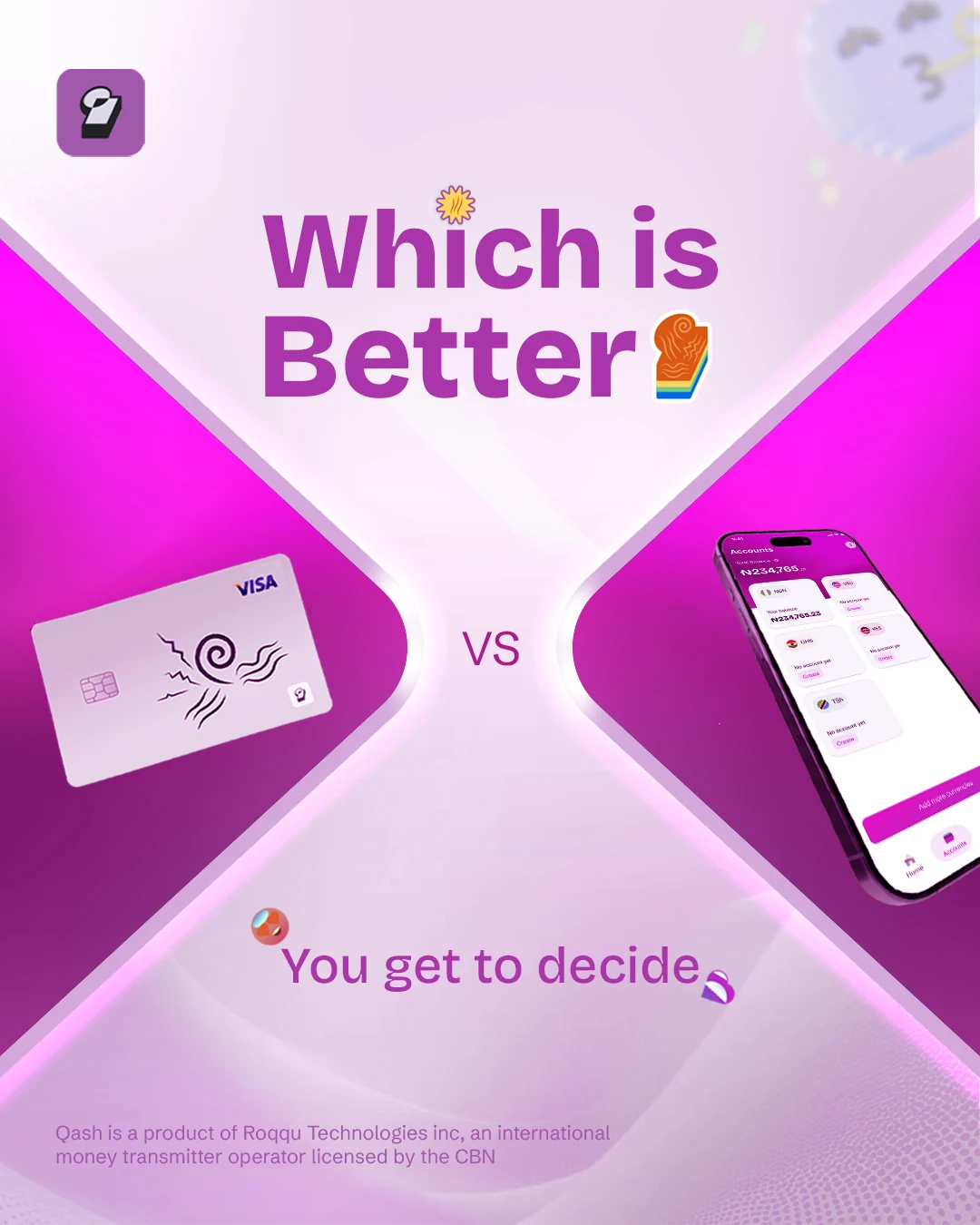
The Friction of a Domiciliary Account
A domiciliary account Nigeria style comes with real friction: minimum balance requirements, slow funding times, and paperwork that feels like it was designed for a different decade. You're also often stuck with your bank's rate, whatever that happens to be that week, with little transparency into how it's calculated.
Where a Virtual Dollar Card Is Different
This is where the virtual dollar card vs dom conversation gets interesting. A virtual dollar card gives you dollar spending power without the account-opening bureaucracy, instant issuance, funded in seconds, usable immediately for subscriptions, online shopping, or business payments abroad. No branch visit, no minimum balance sitting idle, no multi-day clearance delay eating into your week.
Which Option Makes Sense?
The honest answer is that dom accounts still make sense for people holding large dollar reserves long-term. But for everyday dollar spending, Netflix, software subscriptions, online purchases, freelance payments, a virtual dollar card wins on speed and simplicity every time.
Dollar Spending With QASH
QASH gives you that virtual dollar card experience without the bank queue: fund it instantly, spend globally, and skip the wait that used to define dollar access in Nigeria. Your money, moving at the speed you actually need it to.
Just QASH It!
